Estimate truck lease repayments with our Truck Lease Calculator. Factor in residual (balloon) payments to compare finance options and plan the best solution for your business.
'Calculator results are estimates only and not quotes. Actual quotes will be provided by licensed brokers after you submit an enquiry.'
Truck Lease Details:
Important!
Truck Lease Interest Rates differ from lender to lender and will depend on your individual circumstances (credit history, employment status, age, etc.). To find out if you qualify ... and for a free, personalised interest rate and repayment quote,
please CLICK HERE
Truck Lease Amortisation Calculator
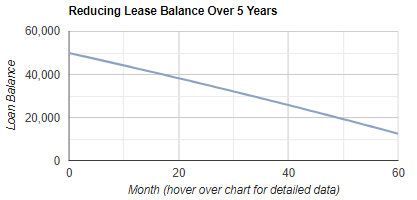
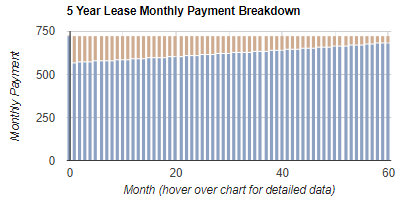
The following amortisation graphs detail month-by-month data on the progress of the proposed loan. The first chart below examines the reducing loan balance over the course of the finance contract term. The second graph illustrates the portion of each monthly repayment allocated to payment of interest vs principal reduction.
How to use our Truck Lease Finance Repayment Calculator
Our Truck Lease Finance Repayment Calculator helps Australian businesses estimate truck lease repayments before speaking with a lender. By modelling purchase price, interest rate, term and a residual or balloon payment, you can compare options, stress-test cash flow, and choose a structure that suits your operational needs and end-of-term plans (keep, refinance, trade, or pay out).
Why it matters: Truck lease repayments can look affordable while still carrying a large end payment. Adding a residual or balloon value may reduce monthly repayments, but it can increase total interest and leave a sizeable amount due at the end of the term. The calculator makes that trade-off clear.
How to complete the form for the best result
1. Purchase Price: Enter the truck’s purchase price as a whole number (no decimals, commas or symbols). Where relevant, consider whether you want to include on-road and other costs such as stamp duty, registration, insurance and tax-related amounts in your finance estimate (only include costs you expect to fund).
2. Balloon or Residual Value: Choose the residual as a percentage of the purchase price. A higher percentage generally lowers ongoing repayments but increases what you will owe at the end of the lease. Select a level that matches your expected end-of-term strategy and business cash reserves.
3. Term of Loan: Select the number of years you want to repay over. Longer terms typically reduce periodic repayments but can increase the total cost over time.
4. Interest Rate: Select an annual interest rate for the simulation. The listed rates are indicative only; your actual rate may differ based on lender policy and your circumstances. .
5. Calculate: Click calculate to generate the estimate and charts.
How to interpret the results
Review the estimated repayment amount alongside the amortisation charts showing the reducing balance over time and the split between interest and principal across the term. Use these outputs to compare scenarios, for example changing residual percentage or term, and to plan for the end-of-term residual payment.
ASIC compliance and important notes: This calculator provides general information and estimates only. It does not consider your objectives, financial situation or needs and is not financial or credit advice. Results may exclude fees, lender charges, taxes and timing assumptions. Consider seeking professional advice and obtaining a formal quote before making a decision.
Australia's push towards higher-productivity heavy vehicles is again in focus, with recent industry attention turning to Performance Based Standards access and the way approved combinations can move more freight with fewer trips. For small fleet operators and owner-drivers, the practical message is clear: a truck purchase is no longer just about horsepower, brand preference or sticker price. It is about whether the vehicle can legally and efficiently perform the work it is being financed to do. - read more
Australia’s truck market appears to be entering spring with buyers still taking a measured approach. The latest industry reporting points to ongoing softness in new truck demand, extending the cautious market conditions already evident through winter. For owner-drivers, tradies and small fleet operators, this is not simply a sales trend. It changes the way truck purchases should be timed, negotiated and financed. - read more
Australia's truck market appears to be settling into a more cautious phase, with the latest July industry updates pointing to softer buyer demand after an already subdued first half of the year. For owner-drivers, tradies and small fleet operators, the story is not simply about fewer trucks changing hands. It is about how a cooler market can affect pricing, availability, trade-in values and finance timing. - read more
Australia’s truck market is moving into a new buying cycle, with Isuzu’s latest model range putting a sharper focus on safety, emissions performance, driver comfort and connected technology. For owner-operators and small fleet businesses, the announcement is more than a product update. It is a reminder that truck purchasing decisions are increasingly tied to whole-of-life cost, compliance expectations and the ability to keep vehicles earning without avoidable downtime. - read more
When it comes to financing a truck, whether for business or personal use, one of the first decisions you'll face is whether to invest in a new or used vehicle. This choice is more than a mere preference; it has significant financial implications that can affect your business's bottom line. - read more
Truck loans help Australian businesses and owner-drivers finance new or used trucks by spreading the cost over time. This guide explains common loan structures, secured lending, repayments, approval steps and settlement considerations. - read more
Are you thinking about getting a new or used truck but unsure of which one is the better choice? This article is here to help guide you through the financial considerations involved in truck loans. We'll talk through what makes new trucks so appealing, with their cutting-edge tech and features, and what makes used trucks a more budget-friendly option. - read more
In the vibrant transport industry, growth and expansion are the keys to staying competitive and meeting increasing demands. For both owner-drivers and fleet operators, scaling up operations typically involves acquiring new trucks or upgrading existing ones. This often requires significant investment, making truck financing an essential component of the business model. - read more
Knowledgebase
Amortization Schedule: A table that provides details of each periodic payment on a loan, including the amount going towards principal and interest.