
Truck Loan Finance :: News
SHARE

Share this news item!

Electric Trucks: Australia's Response to the Fuel Crisis

How Rising Fuel Costs Are Accelerating the Shift to Electric Freight

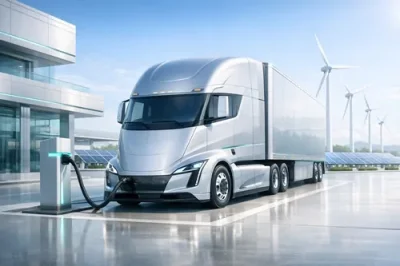
Electric Trucks: Australia's Response to the Fuel Crisis?w=400

The information on this website is general in nature and does not take into account your objectives, financial situation, or needs. Consider seeking personal advice from a licensed adviser before acting on any information.

As fuel prices continue to escalate, Australian businesses are increasingly turning to electric trucks as a viable and sustainable alternative for freight operations.
This shift is driven by the need to mitigate rising operational costs and reduce environmental impact.

Central Coast-based company Janus Electric is at the forefront of this transition, converting diesel trucks to electric power using modular, swappable battery systems. Despite the initial conversion cost of approximately $175,000 per truck, plus additional expenses for charging equipment and spare batteries, the long-term savings on fuel and maintenance are compelling more operators to consider electrification.

For instance, some trucking companies have reported weekly fuel bill increases of up to $500,000, making the switch to electric vehicles a financially prudent decision. Janus Electric's battery swap system addresses concerns about downtime associated with charging, allowing trucks to remain operational with minimal interruption.

However, challenges remain, particularly for sectors like waste management, where the weight of electric batteries and the need for rapid turnaround times pose operational hurdles. Despite these obstacles, the overall trend indicates a growing acceptance of electric trucks in Australia's freight industry.

For small to medium business owners and self-employed individuals, this shift presents an opportunity to modernise fleets, reduce operating costs, and align with global sustainability goals. As the infrastructure for electric vehicles continues to develop, the adoption of electric trucks is poised to become a mainstream solution in the Australian transport sector.

Published:Friday, 5th Jun 2026
Author: Paige Estritori

Please Note: We do not endorse any specific products or companies. Some content is sourced from third parties, including press releases, and may not be independently verified for accuracy or completeness.

Share this news item:

Rate this article

0 Comments

No comments yet. Be the first to share your thoughts.

Finance News

Zenobē's $100 Million Boost to Australia's Electric Truck Fleet
05 Jun 2026: Paige Estritori
In a significant move towards sustainable transportation, UK-based electric fleet leasing company Zenobē has announced a $100 million investment aimed at doubling Australia's electric truck fleet by the end of 2026. This initiative is set to increase the number of heavy-duty electric trucks from the current 1,000 to 2,000 units, marking a substantial advancement in the nation's shift towards greener logistics. - read more
Permanent $20,000 Asset Write-Off: What It Means for Owner-Drivers
05 Jun 2026: Paige Estritori
The 2026-27 Federal Budget has introduced a significant change for owner-drivers and small fleet operators by making the $20,000 instant asset write-off permanent. This development alters the traditional end-of-financial-year (EOFY) rush to purchase assets, providing greater flexibility in financial planning and asset acquisition. - read more
Electric Trucks: Australia's Response to the Fuel Crisis
05 Jun 2026: Paige Estritori
As fuel prices continue to escalate, Australian businesses are increasingly turning to electric trucks as a viable and sustainable alternative for freight operations. This shift is driven by the need to mitigate rising operational costs and reduce environmental impact. - read more
Australian Truck Market Faces Significant Decline in April 2026
29 May 2026: Paige Estritori
The Australian truck market experienced a notable downturn in April 2026, with new truck and van deliveries totaling 2,871 units. This figure represents a 16% decline compared to April 2025, marking the steepest monthly drop recorded this year. The cumulative sales for the first four months of 2026 reached 12,003 units, down 12.9% from the 13,773 units sold during the same period in 2025. - read more


Truck Loan Articles

How to Scale Your Transport Business with Smart Truck Financing
The transport industry is vital to the Australian economy, providing crucial services that enable the movement of goods and people across the country. As demand increases, the importance of growth in this sector cannot be overstated. Whether it's a small business looking to expand its fleet or a larger company aiming to cover more routes, scaling up is a key goal for many transport businesses. - read more
ABN Requirements for Truck Finance (New Business vs Established)
Truck financing is an essential aspect for both owner-drivers and fleet operators in Australia. It enables them to procure trucks that are crucial for their operations. Whether you're just starting with a single vehicle as an owner-driver or managing a large fleet, securing the right kind of finance can make a significant difference in your business's success. - read more
New vs Used Truck Loans: What’s the Smarter Financial Move?
When it comes to financing a truck, whether for business or personal use, one of the first decisions you'll face is whether to invest in a new or used vehicle. This choice is more than a mere preference; it has significant financial implications that can affect your business's bottom line. - read more
Best Truck Finance Options for Owner-Drivers vs Fleet Operators
In the vibrant transport industry, growth and expansion are the keys to staying competitive and meeting increasing demands. For both owner-drivers and fleet operators, scaling up operations typically involves acquiring new trucks or upgrading existing ones. This often requires significant investment, making truck financing an essential component of the business model. - read more

Knowledgebase
Bond:
A fixed-income investment in which an investor loans money to an entity that borrows the funds for a defined period at a variable or fixed interest rate.