
Truck Loan Finance :: News
SHARE

Share this news item!

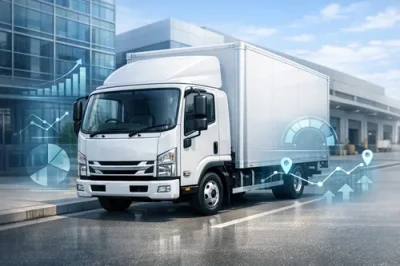
What Isuzu’s New Truck Range Means for Business Buyers

Safety, emissions and running costs are reshaping purchase plans

What Isuzu’s New Truck Range Means for Business Buyers?w=400

The information on this website is general in nature and does not take into account your objectives, financial situation, or needs. Consider seeking personal advice from a licensed adviser before acting on any information.

Australia’s truck market is moving into a new buying cycle, with Isuzu’s latest model range putting a sharper focus on safety, emissions performance, driver comfort and connected technology.
For owner-operators and small fleet businesses, the announcement is more than a product update.
It is a reminder that truck purchasing decisions are increasingly tied to whole-of-life cost, compliance expectations and the ability to keep vehicles earning without avoidable downtime.

Isuzu has long been a dominant name in light and medium-duty transport, particularly for trades, local delivery, refrigerated work and urban freight. The latest range reflects where the broader market is heading: cleaner diesel technology, more assistance systems, better visibility and cabins designed for longer working days. Those upgrades can improve productivity and may help reduce operational risk, but they can also lift the initial purchase price compared with older stock.

That is where finance planning becomes important. A newer truck may cost more upfront, yet deliver savings through fuel efficiency, warranty coverage, lower maintenance exposure and stronger resale appeal. A cheaper used truck may still suit some routes and budgets, but buyers need to weigh the risk of older emissions technology, higher repair costs and potential downtime. The smartest choice is rarely based on sticker price alone.

For businesses preparing to upgrade, the key is to match the truck to confirmed work, not simply to the newest badge. Payload, body fit-out, expected kilometres, depot access, driver requirements and customer expectations should all shape the decision. Once the specification is clear, operators can compare finance structures such as chattel mortgage, lease-style arrangements or secured commercial loans to see which option best supports cash flow and tax planning.

Rising equipment costs also make repayment modelling essential. Before signing an order, buyers should model repayments across different deposits, terms, rates and balloon settings. This can show whether the business can absorb quieter months, fuel price swings or delayed customer payments without straining working capital. It also helps identify whether a shorter term, larger deposit or different truck class may deliver a safer outcome.

The broader message from Isuzu’s latest release is clear: modern trucks are becoming more capable, but also more financially strategic. For Australian transport businesses, the right upgrade can strengthen efficiency, driver retention and customer service. The wrong structure can create pressure long after the truck leaves the dealership. Careful finance preparation should therefore sit alongside vehicle comparison as part of every purchase decision.

Published:Friday, 31st Jul 2026
Author: Paige Estritori

Please Note: We do not endorse any specific products or companies. Some content is sourced from third parties, including press releases, and may not be independently verified for accuracy or completeness.

Share this news item:

Rate this article

0 Comments

No comments yet. Be the first to share your thoughts.

Finance News

New PBS Access Momentum Puts Truck Specs Under the Microscope
01 Sep 2026: Paige Estritori
Australia's push towards higher-productivity heavy vehicles is again in focus, with recent industry attention turning to Performance Based Standards access and the way approved combinations can move more freight with fewer trips. For small fleet operators and owner-drivers, the practical message is clear: a truck purchase is no longer just about horsepower, brand preference or sticker price. It is about whether the vehicle can legally and efficiently perform the work it is being financed to do. - read more
What a Softer August Truck Market Means for Finance Planning
18 Aug 2026: Paige Estritori
Australia’s truck market appears to be entering spring with buyers still taking a measured approach. The latest industry reporting points to ongoing softness in new truck demand, extending the cautious market conditions already evident through winter. For owner-drivers, tradies and small fleet operators, this is not simply a sales trend. It changes the way truck purchases should be timed, negotiated and financed. - read more
Truck Buyers Face a More Cautious Market After July
11 Aug 2026: Paige Estritori
Australia's truck market appears to be settling into a more cautious phase, with the latest July industry updates pointing to softer buyer demand after an already subdued first half of the year. For owner-drivers, tradies and small fleet operators, the story is not simply about fewer trucks changing hands. It is about how a cooler market can affect pricing, availability, trade-in values and finance timing. - read more
What Isuzu’s New Truck Range Means for Business Buyers
31 Jul 2026: Paige Estritori
Australia’s truck market is moving into a new buying cycle, with Isuzu’s latest model range putting a sharper focus on safety, emissions performance, driver comfort and connected technology. For owner-operators and small fleet businesses, the announcement is more than a product update. It is a reminder that truck purchasing decisions are increasingly tied to whole-of-life cost, compliance expectations and the ability to keep vehicles earning without avoidable downtime. - read more


Truck Loan Articles

New vs Used Truck Loans: What’s the Smarter Financial Move?
When it comes to financing a truck, whether for business or personal use, one of the first decisions you'll face is whether to invest in a new or used vehicle. This choice is more than a mere preference; it has significant financial implications that can affect your business's bottom line. - read more
Best Truck Finance Options for Owner-Drivers vs Fleet Operators
In the vibrant transport industry, growth and expansion are the keys to staying competitive and meeting increasing demands. For both owner-drivers and fleet operators, scaling up operations typically involves acquiring new trucks or upgrading existing ones. This often requires significant investment, making truck financing an essential component of the business model. - read more
How to Scale Your Transport Business with Smart Truck Financing
The transport industry is vital to the Australian economy, providing crucial services that enable the movement of goods and people across the country. As demand increases, the importance of growth in this sector cannot be overstated. Whether it's a small business looking to expand its fleet or a larger company aiming to cover more routes, scaling up is a key goal for many transport businesses. - read more
ABN Requirements for Truck Finance (New Business vs Established)
Truck financing is an essential aspect for both owner-drivers and fleet operators in Australia. It enables them to procure trucks that are crucial for their operations. Whether you're just starting with a single vehicle as an owner-driver or managing a large fleet, securing the right kind of finance can make a significant difference in your business's success. - read more

Knowledgebase
Debt Consolidation:
Debt consolidation usually involves negotiating a new loan to pay other existing loans in order to get more favourable interest rates and terms.