
Truck Loan Finance :: News
SHARE

Share this news item!

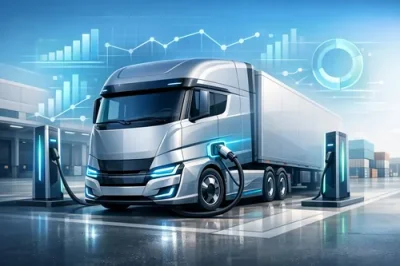
Victoria's Electric Truck Trial Puts Real-World Costs in Focus

What Cahill Transport’s participation could mean for operators weighing their next truck investment

Victoria's Electric Truck Trial Puts Real-World Costs in Focus?w=400

The information on this website is general in nature and does not take into account your objectives, financial situation, or needs. Consider seeking personal advice from a licensed adviser before acting on any information.

Victoria's new electric heavy vehicle trial has moved from policy discussion to real-world testing, with Cahill Transport named as the first operator to take part.
For truck buyers and fleet owners, the most important detail is not just that another electric truck is hitting the road.
It is that the trial is designed to produce practical operating data that may help businesses make better decisions before committing capital.

The two-year Victorian Electric Heavy Vehicle Trial is valued at $1.5 million and is being delivered by the Victorian Government in partnership with the Victorian Transport Association. It will examine how electric heavy vehicles perform in day-to-day freight work, including charging needs, maintenance requirements, driver training, vehicle availability and overall performance.

That matters because electric truck investment is still a more complex finance decision than simply comparing a diesel purchase price against an electric one. Operators need to understand route suitability, depot charging capacity, downtime risk, payload impacts and whether lower energy and servicing costs can offset higher upfront costs over the loan term.

For owner-drivers and small to medium fleets, this kind of data could become especially useful when preparing a lending application. Financiers generally want confidence that the asset will earn reliably, hold appropriate value and fit the borrower's contract profile. Evidence from commercial trials may help sharpen assumptions around utilisation, maintenance savings and infrastructure spending.

Victoria's freight sector is a significant part of the state economy, contributing about $36 billion and employing around 240,000 people. With roughly 440 million tonnes of freight moved each year and volumes expected to rise, the pressure to reduce emissions without undermining productivity will only increase.

However, operators should avoid treating the trial as a green light for every use case. Electric trucks may be well suited to predictable metro routes, depot-based charging and high daily utilisation, but regional freight, long-haul work and irregular routes may still require a more cautious approach.

Before committing to an electric heavy vehicle, businesses may wish to consider looking at ways model repayments alongside energy costs, charger installation, maintenance assumptions, tax treatment and likely resale value.

The bigger takeaway is that electric truck finance is becoming less theoretical. As trial data builds, lenders and operators should gain a clearer view of where battery-electric heavy vehicles can deliver commercial value, and where diesel or hybrid alternatives still make stronger financial sense.

Published:Friday, 17th Jul 2026
Author: Paige Estritori

Please Note: We do not endorse any specific products or companies. Some content is sourced from third parties, including press releases, and may not be independently verified for accuracy or completeness.

Share this news item:

Rate this article

0 Comments

No comments yet. Be the first to share your thoughts.

Finance News

New PBS Access Momentum Puts Truck Specs Under the Microscope
01 Sep 2026: Paige Estritori
Australia's push towards higher-productivity heavy vehicles is again in focus, with recent industry attention turning to Performance Based Standards access and the way approved combinations can move more freight with fewer trips. For small fleet operators and owner-drivers, the practical message is clear: a truck purchase is no longer just about horsepower, brand preference or sticker price. It is about whether the vehicle can legally and efficiently perform the work it is being financed to do. - read more
What a Softer August Truck Market Means for Finance Planning
18 Aug 2026: Paige Estritori
Australia’s truck market appears to be entering spring with buyers still taking a measured approach. The latest industry reporting points to ongoing softness in new truck demand, extending the cautious market conditions already evident through winter. For owner-drivers, tradies and small fleet operators, this is not simply a sales trend. It changes the way truck purchases should be timed, negotiated and financed. - read more
Truck Buyers Face a More Cautious Market After July
11 Aug 2026: Paige Estritori
Australia's truck market appears to be settling into a more cautious phase, with the latest July industry updates pointing to softer buyer demand after an already subdued first half of the year. For owner-drivers, tradies and small fleet operators, the story is not simply about fewer trucks changing hands. It is about how a cooler market can affect pricing, availability, trade-in values and finance timing. - read more
What Isuzu’s New Truck Range Means for Business Buyers
31 Jul 2026: Paige Estritori
Australia’s truck market is moving into a new buying cycle, with Isuzu’s latest model range putting a sharper focus on safety, emissions performance, driver comfort and connected technology. For owner-operators and small fleet businesses, the announcement is more than a product update. It is a reminder that truck purchasing decisions are increasingly tied to whole-of-life cost, compliance expectations and the ability to keep vehicles earning without avoidable downtime. - read more


Truck Loan Articles

How Truck Loans Work in Australia
Truck loans help Australian businesses and owner-drivers finance new or used trucks by spreading the cost over time. This guide explains common loan structures, secured lending, repayments, approval steps and settlement considerations. - read more
Truck Loan Eligibility and Documentation Requirements in Australia
Applying for truck finance is easier to plan when you understand the eligibility factors lenders commonly assess and the documents they may request. This guide explains ABN requirements, business history, financial evidence, truck details and low doc considerations for Australian applicants. - read more
Best Truck Finance Options for Owner-Drivers vs Fleet Operators
In the vibrant transport industry, growth and expansion are the keys to staying competitive and meeting increasing demands. For both owner-drivers and fleet operators, scaling up operations typically involves acquiring new trucks or upgrading existing ones. This often requires significant investment, making truck financing an essential component of the business model. - read more
New vs Used Truck Loans: What’s the Smarter Financial Move?
When it comes to financing a truck, whether for business or personal use, one of the first decisions you'll face is whether to invest in a new or used vehicle. This choice is more than a mere preference; it has significant financial implications that can affect your business's bottom line. - read more

Knowledgebase
Annual Percentage Rate (APR):
The annual rate charged for borrowing or earned through an investment, expressed as a percentage.